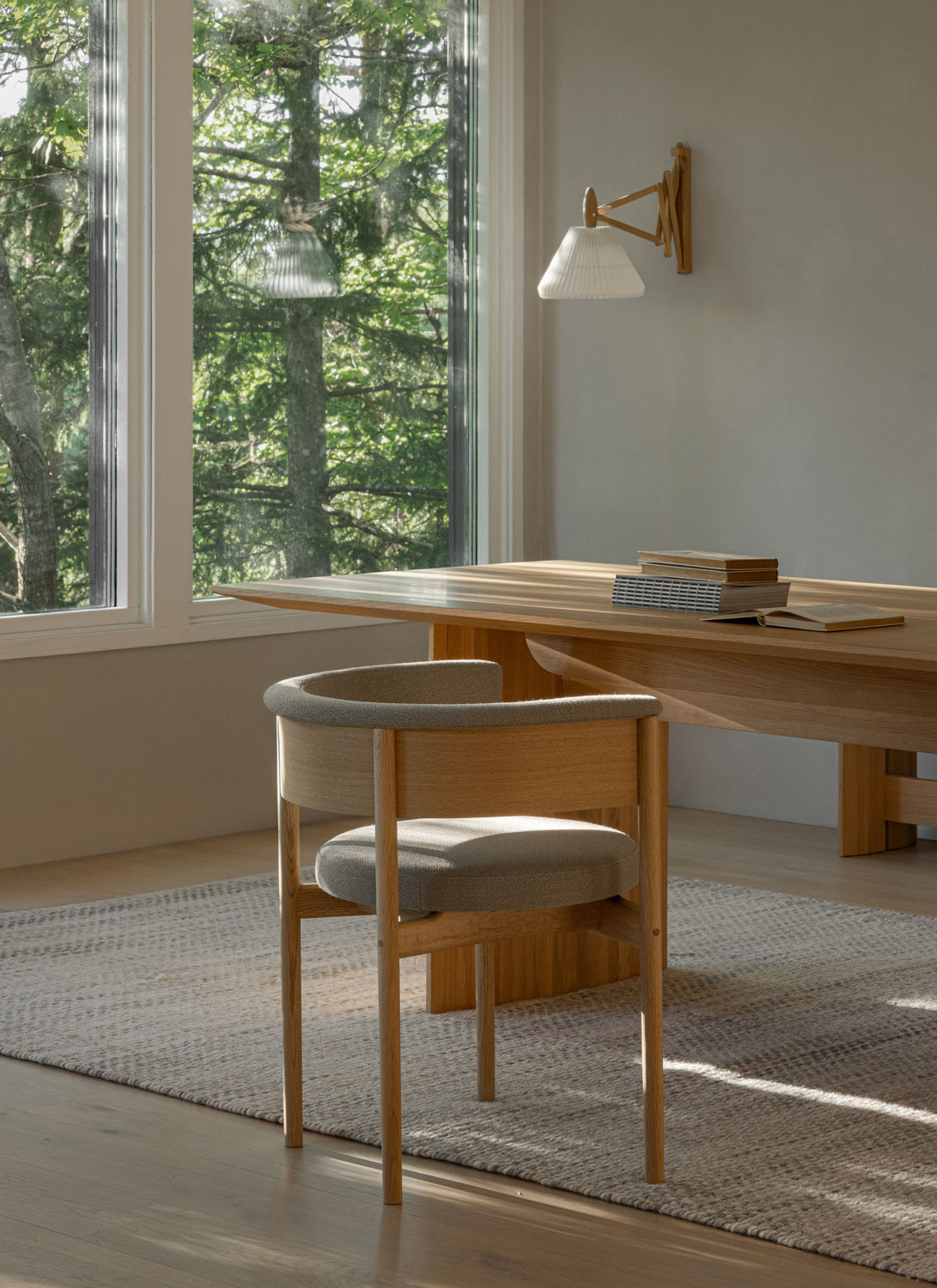
A perspective on spatial perception
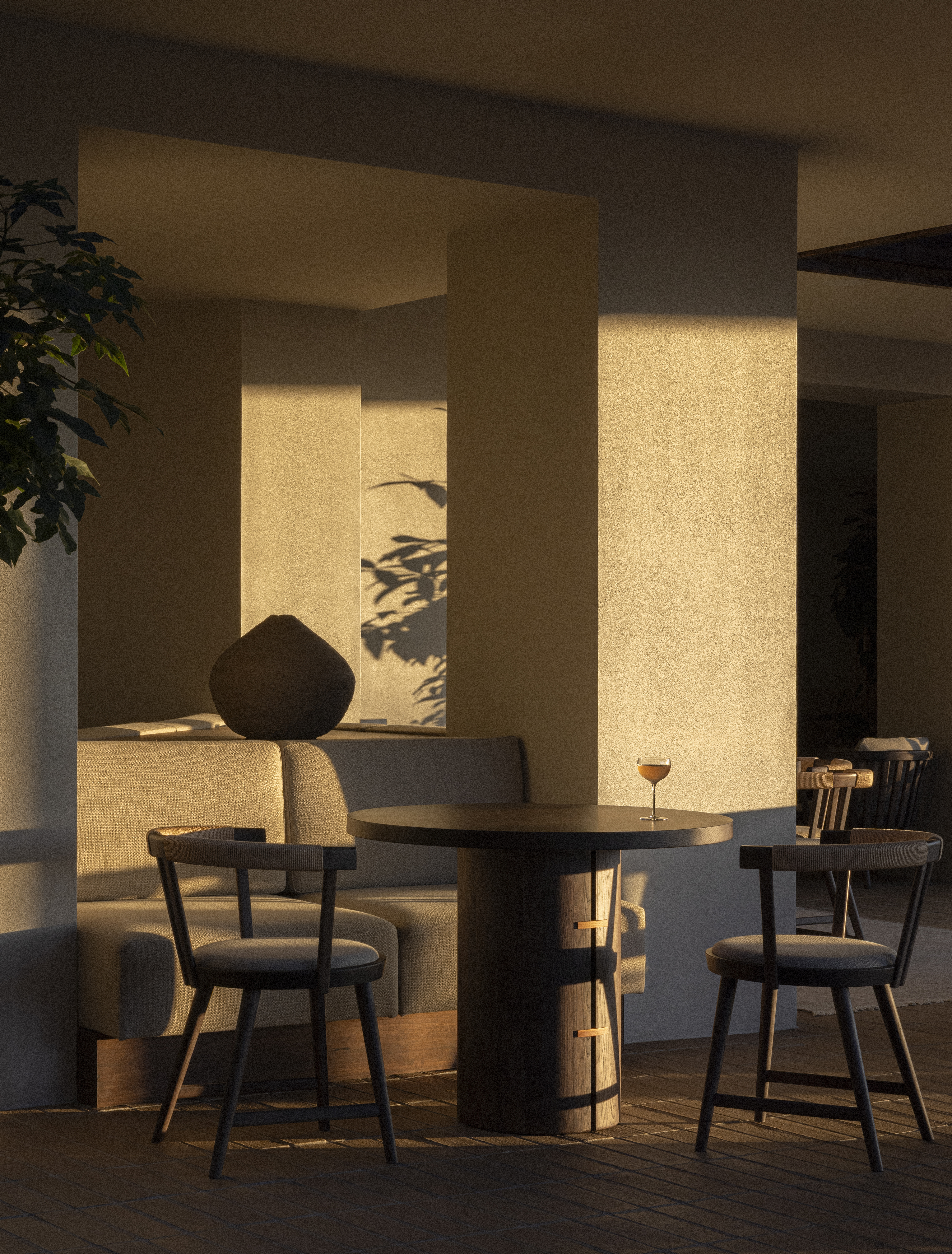
When light and shade are held in balance, space acquires a calm clarity that allows landscape and time to participate in the experience of daily life.
Light is often described as one of architecture’s first materials. Long before finishes are chosen or rooms are furnished, it defines how a space is perceived — how surfaces appear, how depth is revealed and how the character of a place gradually emerges.
In the Mediterranean south, light possesses a particular clarity. The sky opens widely above the landscape and the sun traces a high arc across the day. Surfaces receive this brightness with remarkable precision. Yet architecture does more than receive light. It shapes it, moderates it and accompanies it with shadow.
The Architecture of Shade
Across warm climates, architecture has developed a quiet intelligence in the use of shade. Deep openings, recessed windows, pergolas and thick walls are not simply aesthetic gestures. They mediate the relationship between the brightness of the exterior world and the calm of interior space.
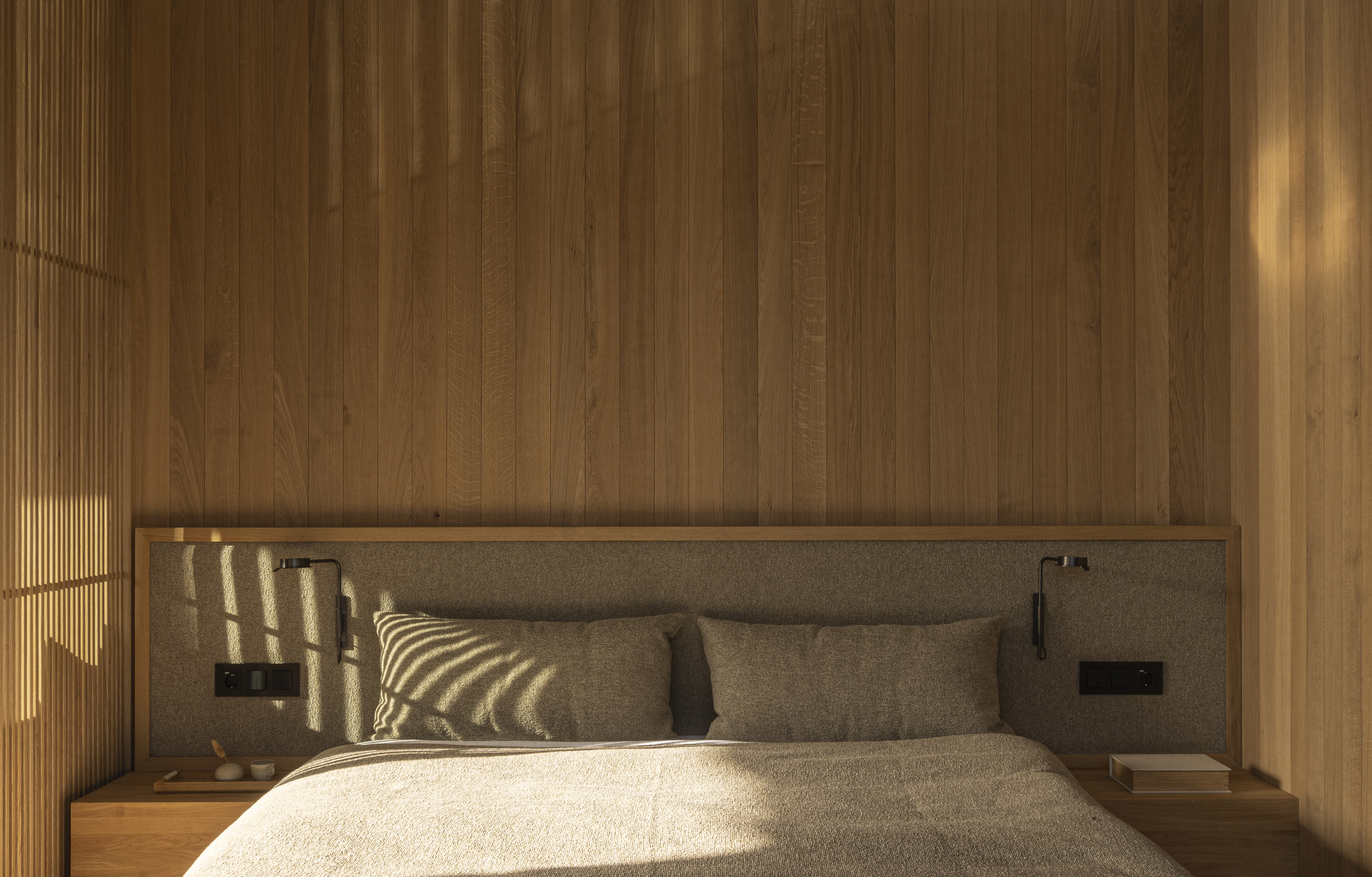
Within shadow the eye rests more easily. Light becomes softer and more diffused, allowing textures and materials to reveal subtler qualities. Stone gains depth, wood appears warmer and surfaces begin to speak in quieter tones.
The intention is not to eliminate darkness but to compose a careful balance in which light and shadow coexist.
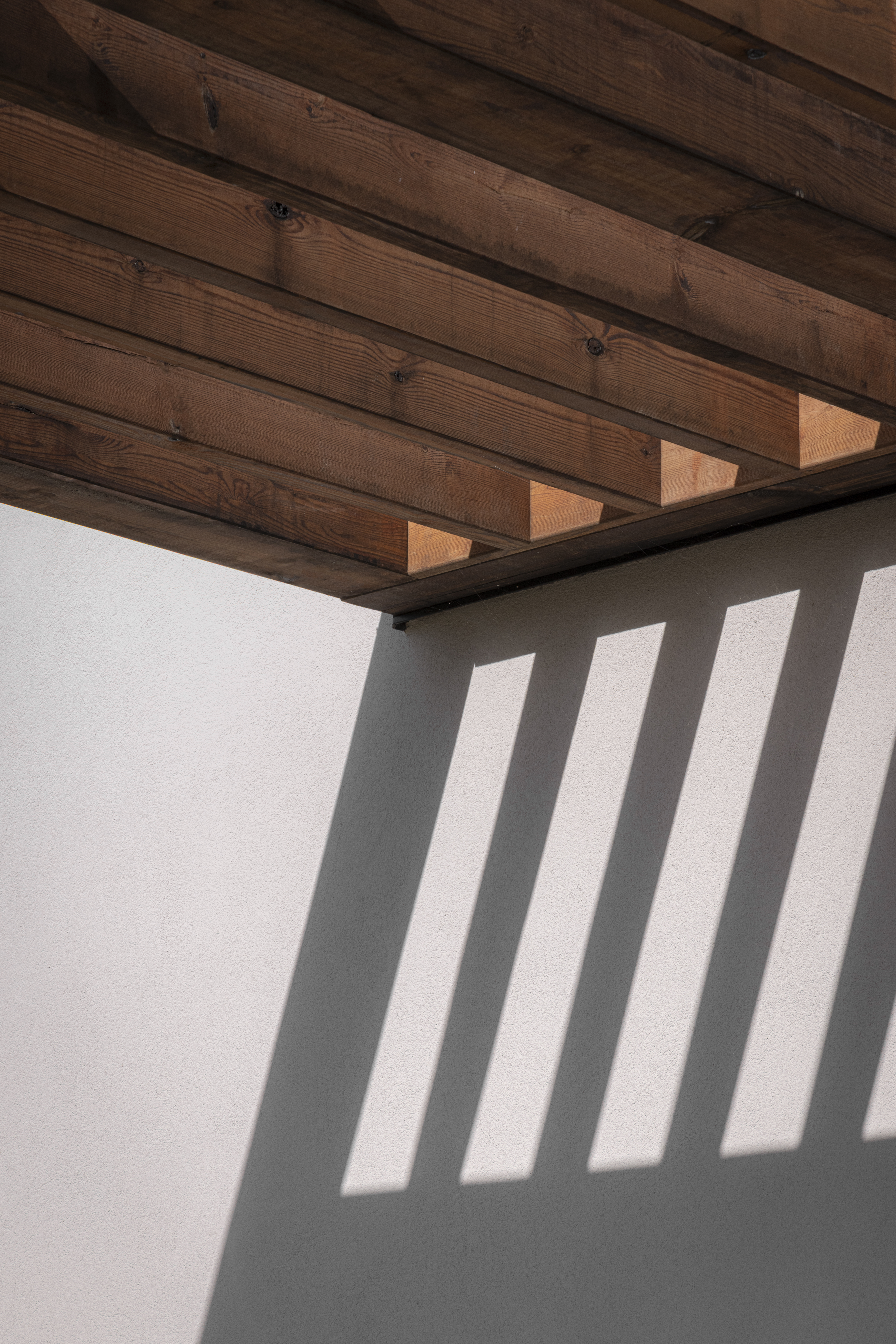
Movement Through Light
Natural light is never fixed. As the sun moves across the sky, the character of a space shifts with it. Morning arrives with a cooler and more oblique light that enters gently through openings. At midday brightness becomes sharper and surfaces appear more defined. By late afternoon shadows lengthen and the atmosphere softens again.
Architecture allows these transitions to become perceptible. Openings frame the arrival of light, walls reflect it and shaded areas introduce moments of calm contrast. Through this quiet choreography the passing of time becomes visible within space.
A well-considered room allows these changes to unfold naturally, allowing the rhythm of the day to accompany everyday life.
Atmosphere and Rhythm
Light does more than illuminate surfaces. It shapes atmosphere. The dialogue between brightness and shadow introduces a subtle rhythm that influences how we move through space, where we pause and how we perceive the environment around us.
A corridor that gradually brightens, a terrace partially sheltered by shade, or a wall touched by the warm light of late afternoon can transform the perception of a place. These conditions are often quiet and almost unnoticed, yet they give architecture its emotional presence.
When light and shade are held in balance, space acquires a calm clarity that allows landscape and time to participate in the experience of daily life.